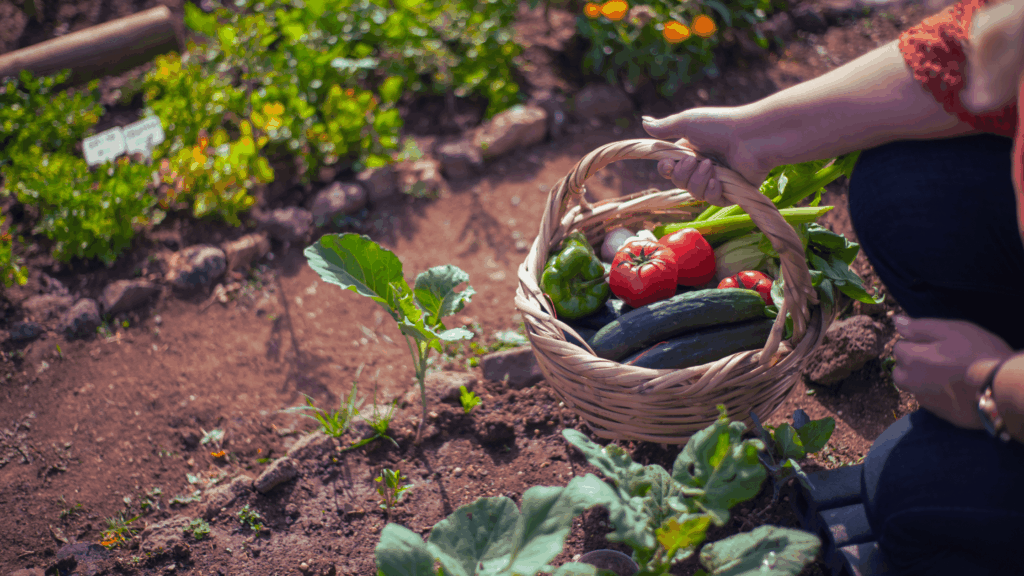
Growing vegetables is not easy, especially when they are cultivated in soil. You need to clear the dirt away regularly and must also provide regular care. Vegetables grown in soil are under constant threat from soil-borne pathogens and various root rot diseases.
Why Hydroponic Vegetable Production?
Hydroponic vegetable production is a game-changer that addresses these issues. This method employs water as a medium, eliminating the need for soil. Hydroponic vegetable production is more beneficial and economical than traditional cultivation. It is easier, more convenient, and can facilitate faster growth of plants and higher yields within a year.
Establishing a Hydroponic System for Vegetable Production
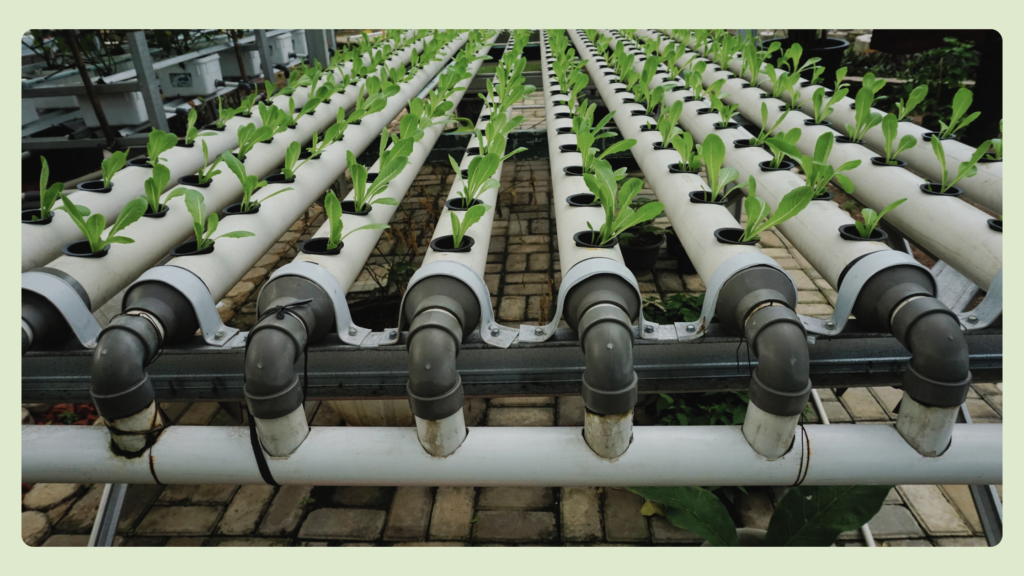
To establish a hydroponic vegetable production unit, the primary requirement is a hydroponics unit. This unit can vary in size. For optimal benefits, it is advisable to grow vegetables in a controlled environment within a confined space.
By ensuring a proper light source at an optimal distance and implementing air circulation methods, a growing area of any size can be developed for hydroponic vegetable production.
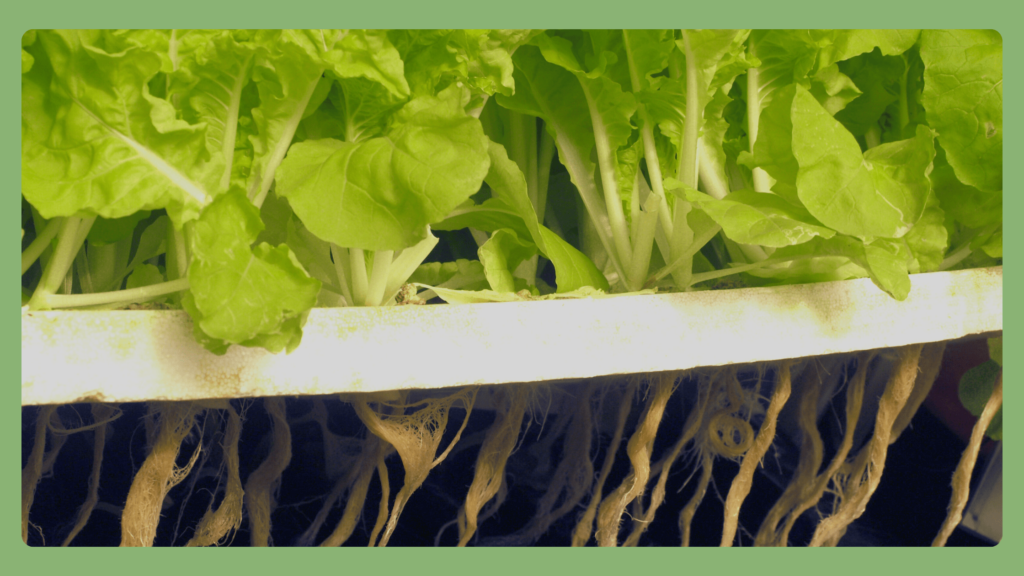
Nutrients are added to the water where the plants will grow, and some substrates are also provided to support the plants. These substrates enhance aeration for the roots and promote better root growth. The roots will grow in the nutrient solution, or the solution will be directed to the roots through various methods.
Hydroponic Vegetable Production Vs Traditional Methods
- Comparing hydroponic vegetable production to traditional growing methods, less care is needed for the plants since they receive a constant supply of nutrients whenever required. This promotes faster growth and improved yield.
- There are no watering issues, as this is done automatically.
- The plants receive balanced nutrition, which ensures the produced vegetables are of high quality.
- There is also the option to avoid flushing with any solutions by simply allowing the plants to grow in plain water for a while.
- However, it should be noted that hydroponic vegetable production cannot be classified as organic, although it is not inferior to organic vegetables in terms of quality.
Advantages of Hydroponic Vegetable Production
- The advantages of hydroponic vegetable production include a significant increase in vegetable quality.
- No soil preparation is required before planting, and plants can be put in the ground as soon as the hydroponics unit is established.
- Water is used more efficiently, and the same water can be reused multiple times.
- When using an automated hydroponics unit, there is less manual labour required for vegetable production until the time of harvesting.
- The vegetables produced from closed hydroponic systems can be ready to eat, even without cleaning or washing.
- Since nutrients are consistently available, there is no need to monitor nutrition levels, allowing the plants to channel all their energy into growth and developing larger flowers that will become bigger vegetables.
- Hydroponics significantly enhances vegetable production by ensuring constant nutrient availability and regular feeding.
- Improved access to light with the right photosynthetic wavelength also contributes to this.
- Overall, hydroponic vegetable production is far superior to traditional growing methods.