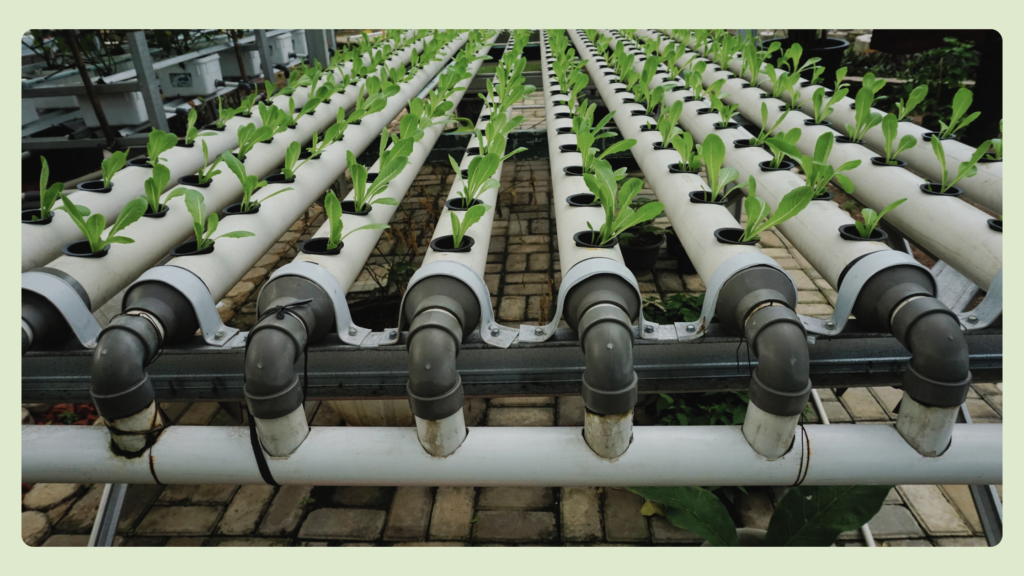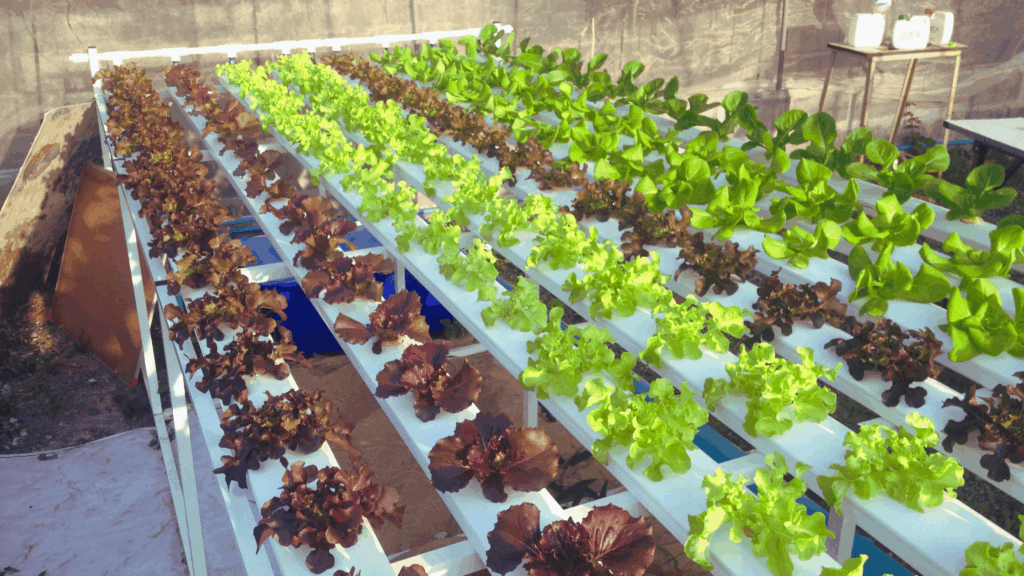
Hydroponics and algae clash with each other sometimes. Though a smaller amount of algae is relatively harmless, excess growth can compromise the plant’s growth. This post explains how to get rid of algae in hydroponics.
Hydroponics allows the plants to grow in a water medium, the same medium in which the algae make their home. The formation of algae in the reservoir water is one of the troubles with hydroponic gardens. Algae are microscopic organisms that are found in warm, well-lit water.
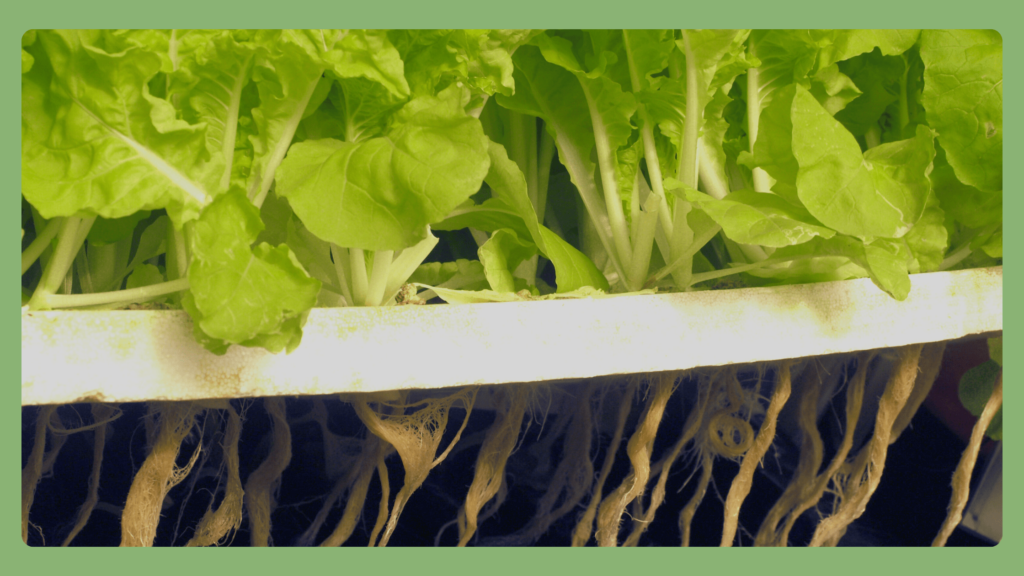
There is no specific area where the algae might grow inside the system. It can be the water, roots, rockwool, etc. The same algae can be free swimming or clog the inner surfaces of the tubes of the pumps.
Algae and plant growth
These algae in the hydroponics and aeroponics systems interfere with the growth of the plants. Although they are not a major threat to the plants, they do affect them directly. The nutrients added for the plants will be taken by the algae, and they also use the oxygen available. If the algae grow tremendously, they can choke the plants by preventing oxygen supply.
Algae perform photosynthesis by using carbon dioxide and water to produce oxygen that benefits the plants. The process happens in reverse at night when the algae take up the oxygen in the water and expel carbon dioxide, which leads to the death of many plants.
How to prevent algal growth in hydroponics and aeroponics
The first rule is to never use a clear container or tubing for hydroponics. It allows the light to penetrate the water. Algae grow well in well-lit water and nutrients. Since we cannot restrict the use of nutrients, cut down the amount of light that penetrates the water. Use opaque or dark reservoirs and tubing.
If it is the rockwool that is attacked by algae, cover it with a landscape fabric.
Use hydrogen peroxide for a proper oxygen supply for the plant roots. Healthy growing roots will hinder the growth of algae. But restrict the use of hydrogen peroxide to the older plants only.
Grapefruit seed extract can be used to control the algae. Another method is to place a Barley straw mat at the bottom of the reservoir. The mat will retard the algal growth and does not cause any harm to the plants.
Drain out the reservoir regularly, once a week. Clean the container thoroughly before refilling it. Any dead matter of the plant or other dirt must be removed. Clean the tubes and pipes also to ensure that the algae do not enter the system in any way.
Use only those reservoirs that have a lid. This is especially applicable to the hydroponics system that has the reservoir as a separate unit from the growing unit.
The bottom line
Algae itself is not the greatest threat. It is lethal when it dies and decomposes due to fungus. These fungi will later attack the roots, and then the entire plant system will collapse or suffer from many diseases. Preventing algal growth is the first thing to do. Since the water in the reservoir changes every week, care must be taken to clean the reservoir thoroughly.
FAQs
How to get rid of algae in hydroponics?
It is not easy to get rid of algae in the hydroponics systems, as any chemical used could harm the roots as well. The best way is prevention. You just need to take appropriate measures as mentioned above to reduce algal growth in the hydroponics systems.
What kills algae in hydroponics?
Hydrogen peroxide is a wonderful option to kill algae. You can use it only after you have removed the plant from the system. Use this to do a thorough cleaning of the system, including the equipment, to rid of algae before planting new plants. At the same time, you should not place the same plants in the system that have algae on their roots.
Can I use vinegar to clean my hydroponic system?
Yes, vinegar is a wonderful option to clean the hydroponics unit to get rid of algae. However, it can increase the water pH if not properly cleaned after. So you must rinse the system thoroughly after using vinegar.